



“My child eats nothing.” It is a concern shared in countless households. Picky eating kids, shifting kids' eating habits, and everyday child nutrition challenges often leave parents frustrated and worried. Understanding picky-eating kids begins with recognizing that children’s appetites fluctuate.
Growth slows after toddlerhood, independence increases, and sensory awareness sharpens. These natural changes shape kids' eating habits and may appear as resistance. Instead of forcing bites, modern pediatric guidance supports calm structure, repeated exposure, and a steady kids' nutrition routine.
This article explores why food refusal is common and how to guide picky eating kids toward balanced nourishment without pressure or power struggles.
Why Are Picky-Eating Kids So Common Today?
Picky-eating kids are not a modern failure of parenting. According to the American Academy of Pediatrics, selective eating often peaks between ages two and six. During this phase, children assert autonomy and develop heightened taste and texture sensitivity.
1. Developmental Independence
Young children naturally test limits. Refusing broccoli may not reflect dislike; it may reflect independence. These evolving kids' eating habits are part of emotional growth. When parents respond calmly, children gradually expand their preferences.
2. Sensory Sensitivity
Textures, colors, and smells strongly influence picky eating kids. A child may reject mixed foods yet enjoy single-ingredient options. Recognizing this reduces unnecessary pressure and addresses child nutrition challenges with empathy.
3. Appetite Fluctuations
Growth patterns vary. Some weeks your child may eat heartily; other weeks may seem minimal. The Centers for Disease Control and Prevention explains that growth slows after infancy, which naturally reduces appetite. Understanding this helps parents avoid overreacting.
4. Exposure and Familiarity
Research consistently shows children need repeated exposure, sometimes ten or more times, before accepting new foods. Healthy eating for kids develops gradually, not instantly.
When parents understand these factors, picky-eating kids feel less like a crisis and more like a stage requiring guidance.
How Can Feeding Kids Without Pressure Improve Kids' Eating Habits?
Pressure often backfires. When mealtimes become emotional battlegrounds, children associate food with stress rather than nourishment. Feeding kids without pressure supports trust and long-term healthy eating for kids.
Create a Consistent Kids Nutrition Routine
A predictable kids' nutrition routine, three meals and two snacks daily, builds structure. Children learn that food arrives regularly, reducing anxiety and grazing. Structure addresses child nutrition challenges without forcing intake.
Offer balanced plates with at least one familiar food. If your child chooses not to eat, remain calm. The next scheduled meal provides another opportunity.
Model Healthy Eating for Kids
Children observe more than they obey. Family-style meals, where everyone eats the same food, normalize variety. Demonstrating enjoyment of vegetables, whole grains, and lean proteins gradually influences kids' eating habits.
Healthy eating for kids is shaped by what they see consistently.
Offer Choice Within Boundaries
Instead of asking, “Do you want broccoli?” try, “Would you like broccoli or carrots?” Limited choice supports independence while maintaining nutritional balance. This method supports feeding kids without pressure and respects autonomy.
Avoid Using Food as Reward or Punishment
Linking dessert to vegetable consumption can elevate sweets and diminish nutritious foods. For picky eating kids, neutrality works better than negotiation.
How to Maintain Child Nutrition Challenges Without Force
Parents often worry about nutrient gaps. While whole foods remain the foundation of healthy eating for kids, practical solutions exist for child nutrition challenges.
Focus on Nutrient Density
If volume is small, quality matters. Add healthy fats like avocado or olive oil. Blend fruits into yogurt. Enrich sauces with beans or lentils. These subtle strategies support picky eating kids without confrontation.
Consider Children’s Gummy Vitamins Thoughtfully
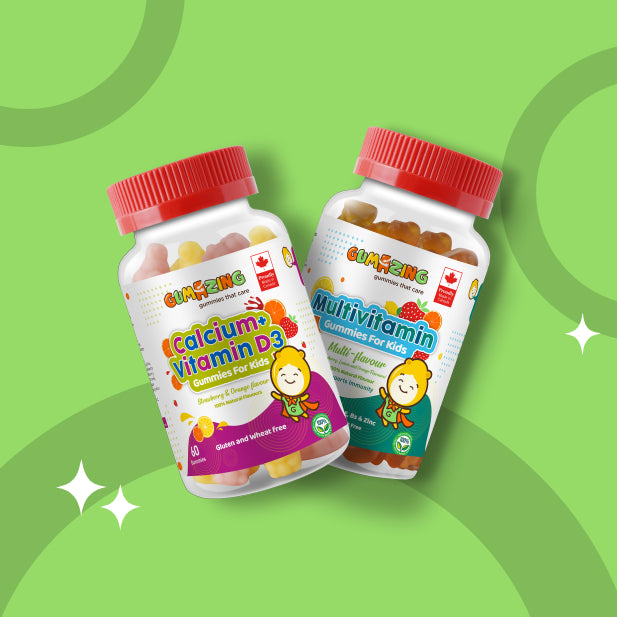
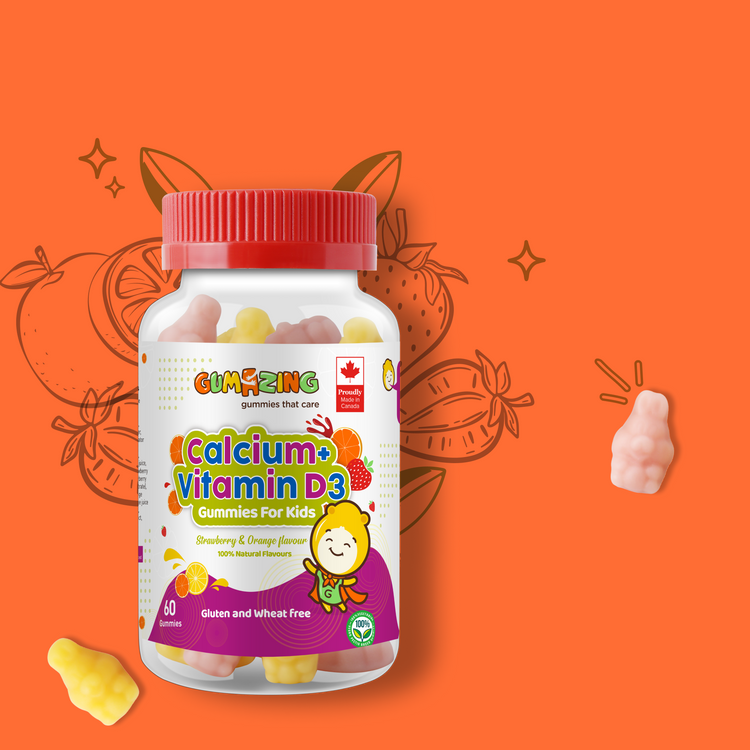
When intake remains inconsistent, pediatricians may recommend children’s gummy vitamins or multivitamin gummies to complement dietary gaps. These options support overall nutrition but do not replace balanced meals. Always consult a qualified healthcare provider before introducing supplements.
Similarly, probiotic gummies for kids' digestive balance may be suggested in certain situations. These products support general wellness but are not intended to cure or treat medical conditions.
Encourage Gradual Exposure
Place small portions of new foods on the plate without expectation. Even touching or smelling a new food counts as progress for picky eating kids.
Build Positive Food Experiences
Invite your child to rinse vegetables, stir batter, or set the table. Participation reduces resistance and improves kids' eating habits naturally.
What Does Healthy Eating for Kids Look Like Long-Term?
Healthy eating for kids is not about perfection; it is about patterns. Over weeks and months, variety expands.
Balanced Plate Approach
Aim for:
-
Half a plate of fruits and vegetables
-
Quarter whole grains
-
Quarter of lean protein
This structure supports a steady kids' nutrition routine and simplifies decisions.
Patience Over Pressure
Studies consistently show that feeding kids without pressure leads to broader acceptance over time. Calm repetition reshapes picky-eating kids into confident eaters.
When to Seek Professional Advice
If your child shows extreme restriction, poor growth, or distress around food, consult your pediatrician. Addressing child nutrition challenges early ensures appropriate support.
Conclusion: From “My Child Eats Nothing” to Confident Calm
Picky eating in kids can feel overwhelming, but food refusal is often a normal developmental phase. By understanding kids' eating habits, maintaining a structured kids' nutrition routine, and focusing on feeding kids without pressure, parents transform mealtime from stress to stability.
Healthy eating for kids grows gradually through exposure, modeling, and consistency. Supportive tools such as children’s gummy vitamins, multivitamin gummies, or probiotic gummies for kids' wellness may complement balanced diets when recommended by professionals.
With patience, clarity, and confidence, picky-eating kids can evolve into adventurous eaters, without force, guilt, or pressure.
Support your child’s growing needs with confidence. Choose Gumazing children’s gummy vitamins, multivitamin gummies, and probiotic gummies for kid wellness, thoughtfully crafted to complement healthy eating for kids and strengthen your child’s daily nutrition routine.


