

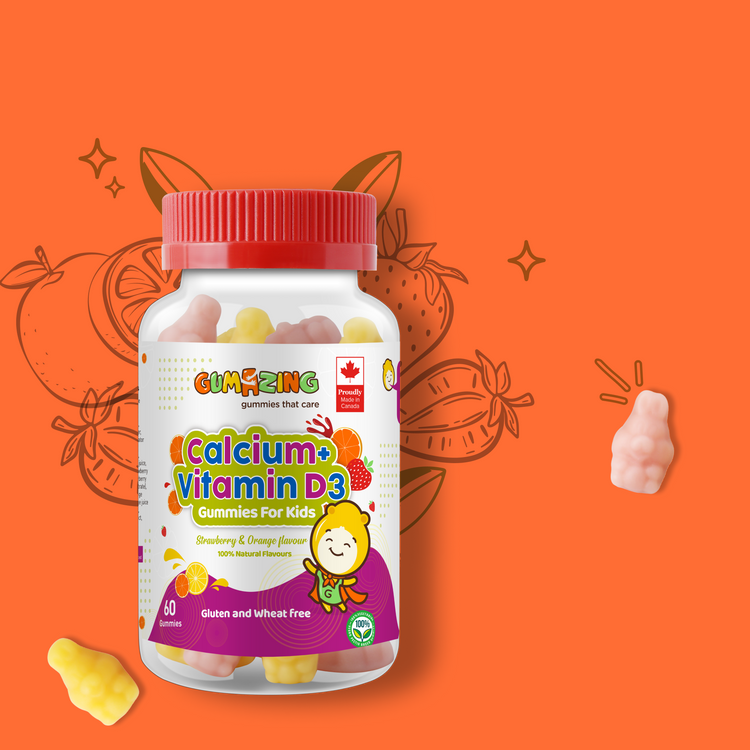




The pharmacy shelf had two omega-3 supplements sitting side by side. Same price. Similar claims. One came in softgels, a clear amber capsule about the size of a small grape. The other came in omega 3 gummies, brightly colored and shaped like little fish. A parent stood there for a few minutes, reading both labels, trying to find the meaningful difference between them.
The softgel had a slightly higher DHA number. The gummy had a flavor the seven-year-old might actually agree to. Neither label mentioned the part that would matter most by Thursday morning, which is whether a child who is already late for school and has decided they do not want to swallow anything today would cooperate with the format chosen.
That question did not appear on either label. It was the most important one.
Why Format Becomes the Deciding Factor for Kids' Omega-3 Supplements
When parents research omega-3 supplements for children, the conversation tends to center on DHA and EPA content, sourcing, and certification. Those are genuinely important considerations. But for children between the ages of 3 and 12, the format the supplement comes in often determines whether all that careful nutritional research translates into actual daily use, or whether the bottle eventually moves to the back of a shelf.
Understanding what each format actually involves in practice, not just in theory, makes the comparison considerably more useful.
What Softgels Require From a Child
Softgel capsules are the traditional format for omega-3 supplements. They contain fish oil or algae oil sealed inside a gelatin or plant-based capsule, which needs to be swallowed whole. For adults, this is straightforward. For most children under eight or nine, it presents a real challenge.
Swallowing a softgel requires a degree of comfort with the sensation that many younger children have not developed. Even children who can physically swallow them often resist because the capsule feels unfamiliar. Some parents find that cutting open the softgel and mixing the oil into food works as a workaround, but fish oil has a distinctive smell and taste that tends to be noticeable even in yogurt or a smoothie, and some children detect and reject it immediately.
The softgel format is reliable for older children and adults who are comfortable with it. For the age range most Gumazing parents are managing, it frequently creates more friction than it resolves.
What Gummies Offer Instead
Omega 3 gummies for kids deliver the same core fatty acids in a chewable format that children already associate with everyday snacks rather than medicine. The texture is soft and familiar. The flavor is designed to be palatable. There is nothing to swallow whole and nothing to mix into food.
From a compliance standpoint, the difference is significant. A child who accepts an omega 3 gummy on the first offer is far more likely to take it again the next morning, and the morning after that, than a child who associates supplement time with an unpleasant swallowing experience. Sustained nutritional support depends on showing up daily, and format determines whether showing up daily feels easy or effortful.
What DHA and EPA Actually Do During Childhood
Before comparing formats further, it helps to understand what omega-3 fatty acids contribute nutritionally during the years parents are most likely to consider supplementation.
DHA, or docosahexaenoic acid, and EPA, or eicosapentaenoic acid, are the two omega-3 fatty acids most relevant to children's health discussions. According to the European Food Safety Authority, DHA contributes to the maintenance of normal brain function and normal vision. These are established nutritional roles recognized across major health bodies globally.
The primary dietary sources of DHA and EPA are oily fish such as salmon, mackerel, and sardines. Many children do not eat these foods regularly, either because of taste preferences, dietary restrictions, or simply the unpredictability of what a child between four and ten will actually eat on a given day. For families where fish intake is limited or inconsistent, supplementation in an accessible format provides a practical way to support regular omega-3 intake as part of a balanced diet.
The recommended DHA intake for children varies by source and age group. The World Health Organization suggests that children aged 2 to 10 receive approximately 100 to 150 mg of DHA per day as part of adequate omega-3 nutrition. Parents should check individual product labels and consult a pediatrician to confirm the appropriate serving for their child's age and dietary context.
A Practical Comparison of Omega-3 Formats for Children
The table below compares the main formats parents encounter when looking for omega-3 supplements for children, across the factors that matter most in daily family life.
|
Format |
Swallowing Required |
Child Acceptance |
Taste Concern |
Suitable Age Range |
Typical DHA Source |
|
Softgel capsule |
Yes, whole |
Low for under-8s |
Minimal if swallowed whole |
Generally 8 and older |
Fish oil or algae oil |
|
Cut-open softgel in food |
No |
Variable; smell detectable |
High; fish oil flavor noticeable |
Any age with food mixing |
Fish oil or algae oil |
|
Kids omega 3 gummies |
No |
Generally high |
Low; designed for palatability |
Typically 3 and older |
Fish oil or algae-based |
|
Liquid omega-3 |
No |
Variable |
High; strong taste even flavored |
Any age |
Fish oil or algae oil |
|
Chewable soft tablet |
Partial chew |
Moderate |
Moderate; depends on flavor |
Generally 4 and older |
Fish oil |
The question parents are actually deciding is: which format will my child accept consistently enough for the supplementation to mean anything over time?
How Omega-3 Fits Alongside Other Children's Gummy Vitamins
Omega-3 is frequently one part of a broader nutritional picture for families who think carefully about what their children are getting each day. Some parents use it independently. Others integrate it alongside other children's gummy vitamins as part of a morning routine that covers multiple nutritional bases without becoming an ordeal.
When families decide to combine omega-3 with other supplements, a few practical considerations help keep the routine manageable.
The following points are worth keeping in mind:
-
Review ingredient labels across all supplements being given together to check for overlapping nutrients, particularly fat-soluble vitamins such as Vitamin A and Vitamin D, which can accumulate with excessive intake.
-
Keep the total number of gummies given at one time reasonable for the child's age and appetite. Most parents find that two to three gummies at breakfast is a natural limit before it starts feeling like a chore.
-
Anchor the routine to a fixed daily moment rather than leaving it flexible. Breakfast or the moment just before the school bag goes on are the anchors that tend to produce the most consistent results.
For families looking for a format that combines omega-3 with broader daily nutritional support, Gumazing Multivitamin and Omega-3 Gummies bring both together in a single chewable designed for children.
What the Format Decision Looks Like in Practice
Back at the pharmacy shelf, the parent eventually chose the omega 3 gummies. Not because the DHA number was higher. It was slightly lower, actually. The choice came down to a single realistic observation: a seven-year-old who does not want to swallow a softgel on a school morning will not swallow a softgel on a school morning, and no amount of nutritional superiority in the capsule changes that outcome.
The gummy, tried that evening after dinner with no pressure and no explanation beyond "these are for you," was eaten without comment. The next morning it was asked for before the parent remembered to offer it.
That is the entire outcome the label comparison was always trying to reach. The format made it possible. The DHA content made it worthwhile. Both matter, but in that order for children in this age range.
Conclusion
Choosing the right omega-3 supplement for a child is less about finding the product with the most impressive specification and more about finding the one that a specific child, with specific preferences and a specific level of patience for supplements at 7am, will actually take. Start there, and the nutritional conversation becomes much easier to finish.


