


The pediatrician appointment was supposed to be routine. But somewhere between the height measurement and the hand washing reminder, the parent mentioned something they had been quietly frustrated about for months. Their six-year-old had a strong texture sensitivity. Gummies were refused after two days because of the chew. Tablets were a hard no from the start. Liquid supplements mixed into food were detected and rejected with impressive accuracy. Every format tried had met the same outcome.
The pediatrician nodded, then asked a question the parent had never considered. "Have you looked at oral sprays?"
It had not occurred to them. Not once. The supplement aisle had always sorted itself mentally into gummies on one side and tablets on the other, with liquids somewhere in between. The idea that a fine mist sprayed directly into the mouth could deliver the same nutrients as a chewable gummy was genuinely new information. And it turned out to be exactly what worked.
Why Supplement Format Matters More Than Most Parents Expect
Most parents begin the supplement search focused on the ingredient: which vitamin, which mineral, what dosage. Format tends to be a secondary consideration, evaluated only after a product has already been purchased and refused. By then, the pattern has already begun, and the cabinet starts filling up with bottles that represent good intentions and unsuccessful attempts.
What experienced parents, and many pediatricians, know is that format is the first decision, not the last. The nutritional value of any supplement is zero if it never reaches the child. Delivery format determines whether that happens, and different formats work for different children for reasons that have nothing to do with the quality of the product inside.
The Gap That Oral Sprays Fill
Oral spray supplements occupy a position in the format landscape that gummies and tablets cannot. They require no chewing, no swallowing, no mixing, and no texture tolerance at all. A fine mist is directed toward the inside of the cheek or under the tongue, absorbed through the mucous membrane, and that is the entire process. For children with texture sensitivities, swallowing difficulties, or a strong gag reflex, that simplicity is often the difference between a supplement being taken and a supplement being refused.
The absorption pathway is also worth noting. Nutrients delivered via oral spray enter the bloodstream through the mucosal lining of the mouth, bypassing the digestive process that tablets and capsules rely on. For certain nutrients, this pathway allows for rapid uptake that some parents and practitioners find useful, though parents should always consult a pediatrician to understand what is appropriate for their specific child's needs and nutritional context.
Why Gummies Still Work Well for Most Children
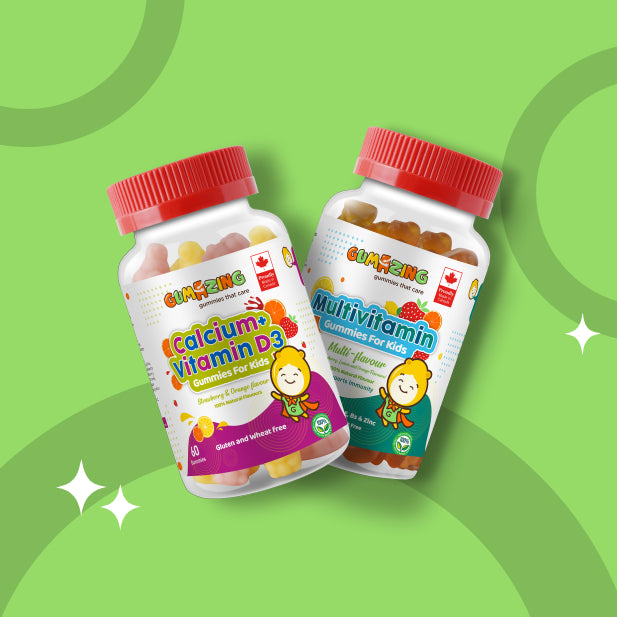
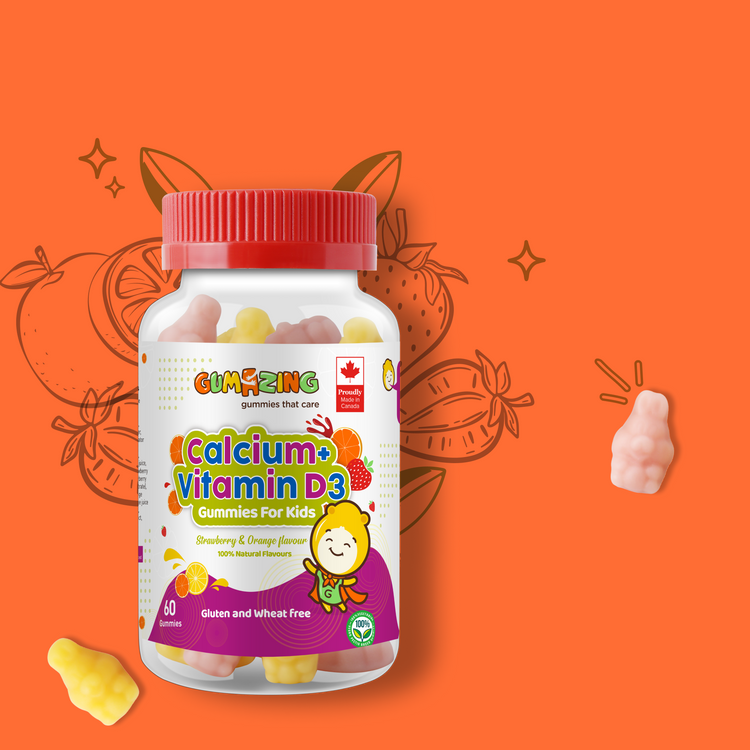
Oral sprays are not a universal replacement for gummies. For the majority of children who do not have texture sensitivities or swallowing challenges, omega 3 gummies, vitamin C gummies for kids, lutein gummies, and calcium vitamin D3 gummies remain highly effective formats precisely because children accept them readily and without negotiation.
The gummy format works because it removes the psychological barrier between a child and a supplement. It looks like a snack. It tastes like something familiar. There is no medicinal association, no complicated process, and no unpleasant sensation. For children who tolerate the chew, gummies are often the most sustainable daily format available, and many families build entire morning routines around them without difficulty.
The question is simply whether a specific child is one of the children for whom gummies work or one of the children for whom a different format is needed.
A Practical Comparison of Supplement Formats for Children
Understanding the full range of formats available, and what each one actually requires from a child, helps parents make a more informed first decision rather than working through trial and error one bottle at a time.
|
Format |
Swallowing Required |
Texture Involved |
Age Suitability |
Best For |
Key Consideration |
|
Oral spray |
No |
None |
Generally 2 and older |
Texture sensitivity, swallowing difficulty, fast absorption |
Flavor and child cooperation with spray action |
|
Gummy |
Partial chew |
Soft, chewy |
Generally 3 and older |
Most children; high acceptance |
Sugar content; chewing ability |
|
Chewable tablet |
Chew then swallow residue |
Firm, sometimes chalky |
Generally 4 and older |
Older children comfortable with tablets |
Texture resistance common in younger children |
|
Liquid drops |
No |
Liquid Only |
Any age |
Infants and very young children |
Strong taste; may need food mixing |
|
Softgel capsule |
Yes, whole |
None if swallowed |
Generally 8 and older |
Older children and adults |
Swallowing difficulty common under 8 |
|
Powder mixed in food |
No |
Depends on food |
Any age |
Children who accept food mixing |
Taste detectability; inconsistent dosing |
What Iron, Zinc, and Other Nutrients Look Like in Spray Format
Oral spray supplements have expanded significantly in recent years, and the range of nutrients available in this format now covers several that parents commonly seek for children. Iron and zinc are two of the most notable.
Iron is a mineral that contributes to normal cognitive function and normal formation of red blood cells and hemoglobin, according to the European Food Safety Authority. Children who eat limited amounts of red meat, leafy greens, or fortified foods may have variable iron intake across the week. An iron oral spray provides a way to support daily iron intake without requiring a child to swallow a tablet or accept a supplement mixed into food.
Zinc is a mineral commonly associated with normal immune system function and normal DNA synthesis, also recognized by the European Food Safety Authority. A zinc oral spray delivers the mineral directly through the oral mucosa in a format that most children find unobtrusive, particularly when the product is flavored palatably.
How to Match the Right Format to the Right Child
The format decision becomes considerably easier when parents approach it with a clear picture of what their specific child will and will not tolerate, rather than starting from what the supplement aisle offers and working backward.
A useful sequence for parents working through this decision for the first time:
-
Identify any hard constraints first. Does the child have a texture sensitivity, a swallowing difficulty, or a strong gag reflex? If any of these apply, oral sprays and liquid drops belong at the top of the consideration list, and gummies and tablets move down regardless of their other merits.
-
Consider the child's age and developmental stage. Children under three are generally not suitable for gummies. Children under eight often struggle with softgels. Age-appropriate format shortlists are narrower than the full shelf suggests.
-
Factor in daily routine. A spray that takes two seconds is easier to sustain than a gummy that requires finding the bottle, opening a childproof lid, and negotiating a two-gummy limit before school. Simplicity directly supports consistency.
-
Check certifications relevant to the family. Halal certification, non-GMO status, and allergen information should be confirmed regardless of format. These criteria apply equally to sprays, gummies, and tablets.
Most parents find that once they apply these filters honestly, the shortlist of realistic options is much shorter than the full supplement aisle implied. That narrowing is useful.
What Changes When the Right Format Is Found
The six-year-old with the texture sensitivity took the iron oral spray on the first morning without comment. No resistance. No negotiation. No detecting it in food and pushing the bowl away. Just a quick spray, a mild strawberry flavor, and the start of what became a consistent daily habit within a week.
The format was not magic. The child still did not want gummies. They still refused the liquid mixed into yogurt. What changed was that the barrier between the child and the supplement was removed entirely. There was nothing to chew, nothing to swallow, nothing to mix. The sensory experience that had been the obstacle in every previous attempt was simply absent.
That is what the right format actually does. It makes compliance possible by removing the specific friction that was making it impossible. The research, the label reading, and the careful ingredient selection all matter. But they only matter after the format question has been answered for that particular child, in that particular family, on an ordinary morning when there is no time for persuasion.
Supplement choices work best when they are made in that order.


